
Standouts Among Standouts.
The Cayman Islands consistently ranks among the top diving destinations in the world. With water visibility regularly exceeding 30 meters, water temperatures between 26-29°C year-round, and over 350 documented dive sites across the three islands, the diving here ranges from gentle shore entries suitable for first-timers to dramatic wall dives that drop thousands of feet into the Cayman Trench. Here’s a guide to the standout sites across Grand Cayman, Cayman Brac, and Little Cayman.
Grand Cayman
Kittiwake Wreck
The USS Kittiwake is a 77-meter former submarine rescue vessel deliberately sunk in 2011 to create an artificial reef. Sitting in about 19 meters of water just off Seven Mile Beach, the wreck is accessible to divers of all experience levels. The ship is intact and penetration-friendly, with multiple entry and exit points through its five decks. Marine life has colonized the structure extensively — expect to see tarpon, barracuda, and schooling silversides inside the wreck.
Stingray City
While technically a snorkeling and shallow dive site rather than a deep dive, Stingray City is one of the most iconic marine encounters in the Caribbean. Located on a sandbar in the North Sound, divers and snorkelers interact with dozens of Southern Atlantic stingrays in chest-deep water. The rays are habituated to human contact and will glide directly over and around you.
Devil’s Grotto and Eden Rock
These twin shore-dive sites sit just south of George Town and are perfect for newer divers or anyone wanting an easy afternoon dive without a boat. A labyrinth of tunnels, swim-throughs, and caverns at modest depths (6-15 meters) creates dramatic light effects as sunlight filters through openings. Tarpon congregate in the tunnels, and the coral formations are healthy and photogenic.
The Wall — West Side
Grand Cayman’s West Wall begins at around 18 meters and drops vertically into deep blue. Sites like Orange Canyon, Trinity Caves, and Big Tunnel offer dramatic topography — overhangs, crevices, deep-water sponges, and the occasional eagle ray or reef shark cruising the blue water beyond the wall edge.
Little Cayman
Bloody Bay Wall
Widely regarded as one of the top wall dives on earth, the Bloody Bay Wall starts at a remarkably shallow 6 meters before plummeting vertically to over 1,800 meters. The shallow reef top means you can spend significant bottom time exploring before approaching the wall edge. The coral coverage here is exceptional — massive barrel sponges, deepwater sea fans, and vibrant hard corals. Visibility is frequently 40+ meters.
Jackson’s Bight
The southern coast of Little Cayman offers a different character — gentle slopes rather than dramatic walls, with large coral heads and sandy channels. Marine life is abundant, including turtles, nurse sharks, and large grouper that are accustomed to divers.
Mixing Bowl
Named for the currents that converge here, Mixing Bowl is a more advanced dive site where the nutrient-rich water attracts larger pelagic species. Eagle rays, reef sharks, and the occasional hammerhead make appearances, particularly during the winter months.
Cayman Brac
MV Captain Keith Tibbetts
The only diveable Russian-built warship in the Western Hemisphere, this 100-meter frigate was sunk in 1996 and sits in 27 meters of water off the northwest coast of Cayman Brac. The wreck has been heavily colonized by coral and sponge growth, and the structure is slowly breaking down, creating new swim-throughs and penetration opportunities. Horse-eye jacks, barracuda, and green moray eels are regular residents.
The Bluff Wall
Cayman Brac’s dramatic limestone bluff extends underwater as a wall system along the north coast. Less visited than Grand Cayman or Little Cayman’s walls, the Brac’s wall sites offer a genuine sense of solitude and exploration. Healthy black coral, deep-water gorgonians, and the occasional turtle make these dives rewarding.
Practical Information
Best Time to Dive
The Cayman Islands offers year-round diving. Water temperatures range from 26°C in winter to 29°C in summer, and visibility is consistently excellent. The calmest seas are typically December through April, though diving is possible in all months. Hurricane season runs June through November, with September and October carrying the highest risk of storms disrupting dive operations.
Dive Operators
All three islands have well-established dive operations offering shore dives, boat dives, night dives, and courses from beginner through technical levels. Operators are regulated and maintain high safety standards. Most offer multi-dive packages and equipment rental.
Certification
If you’re not yet certified, Grand Cayman is an outstanding place to learn. Multiple operators offer PADI and SSI courses from Discover Scuba (a single supervised dive for beginners) through advanced and specialty certifications. The calm, clear water and accessible shore-dive sites make the learning process comfortable.
Marine Park Regulations
The Cayman Islands operates an extensive Marine Parks system that prohibits anchoring on coral, collecting marine life, and using gloves while diving. These regulations have been in place since 1986 and are a primary reason the reefs remain in exceptional condition compared to many Caribbean destinations.
Getting to Little Cayman and Cayman Brac
Cayman Airways operates daily flights from Grand Cayman to both sister islands. Flight time is approximately 40 minutes. Several dive resorts on Little Cayman and Cayman Brac offer all-inclusive packages that include airport transfers, diving, meals, and accommodations — a convenient option for dedicated dive trips.
Cayman.fi provides information about finance, real estate, and lifestyle in the Cayman Islands. This guide is for informational purposes. Always dive within your training and certification level.
-
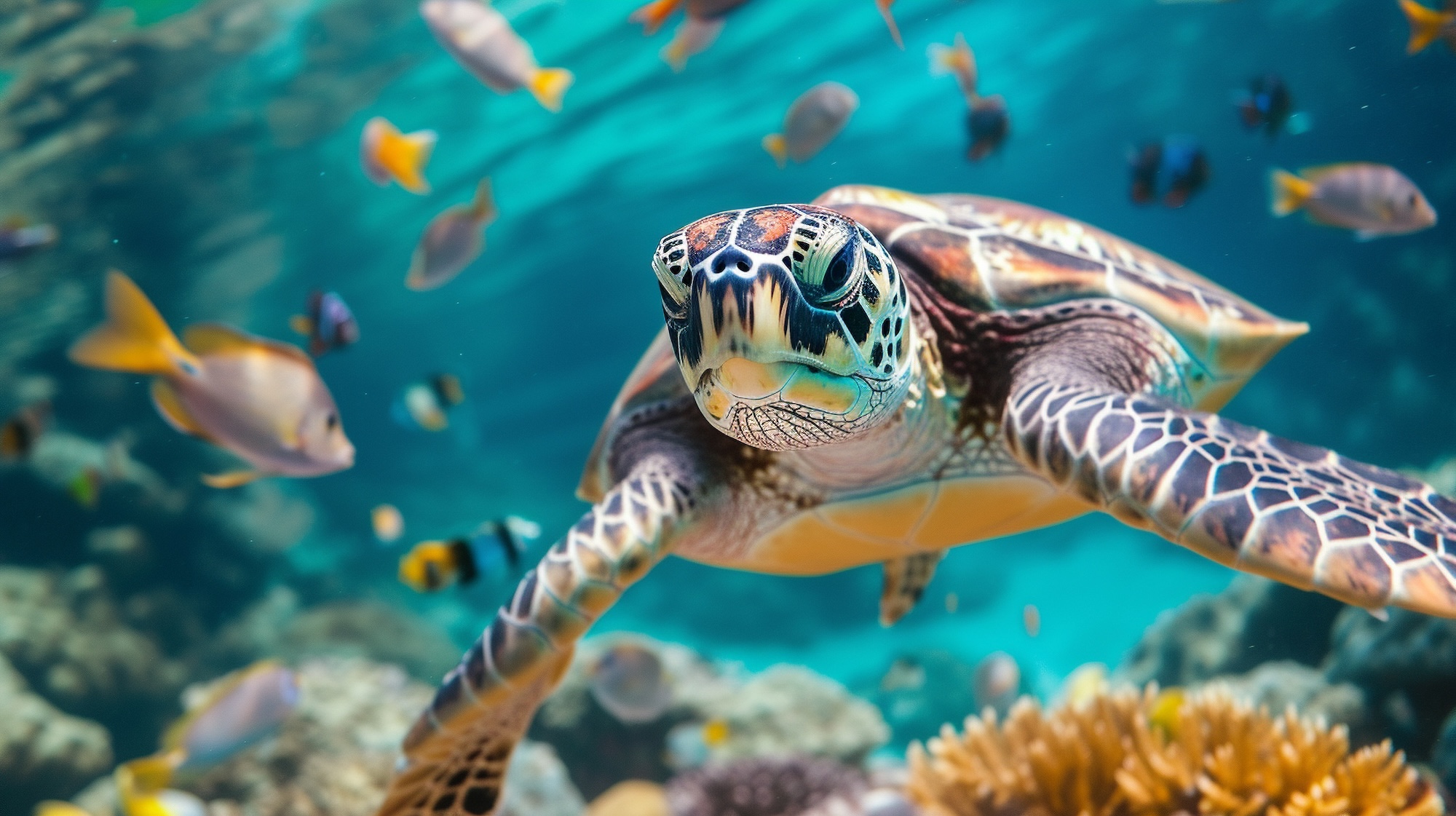
Best Dive Sites in the Cayman Islands: A Guide for Every Level
Standouts Among Standouts. The Cayman Islands consistently ranks among the top diving destinations in the world. With water visibility regularly exceeding 30 meters, water temperatures between 26-29°C year-round, and over 350 documented…
-
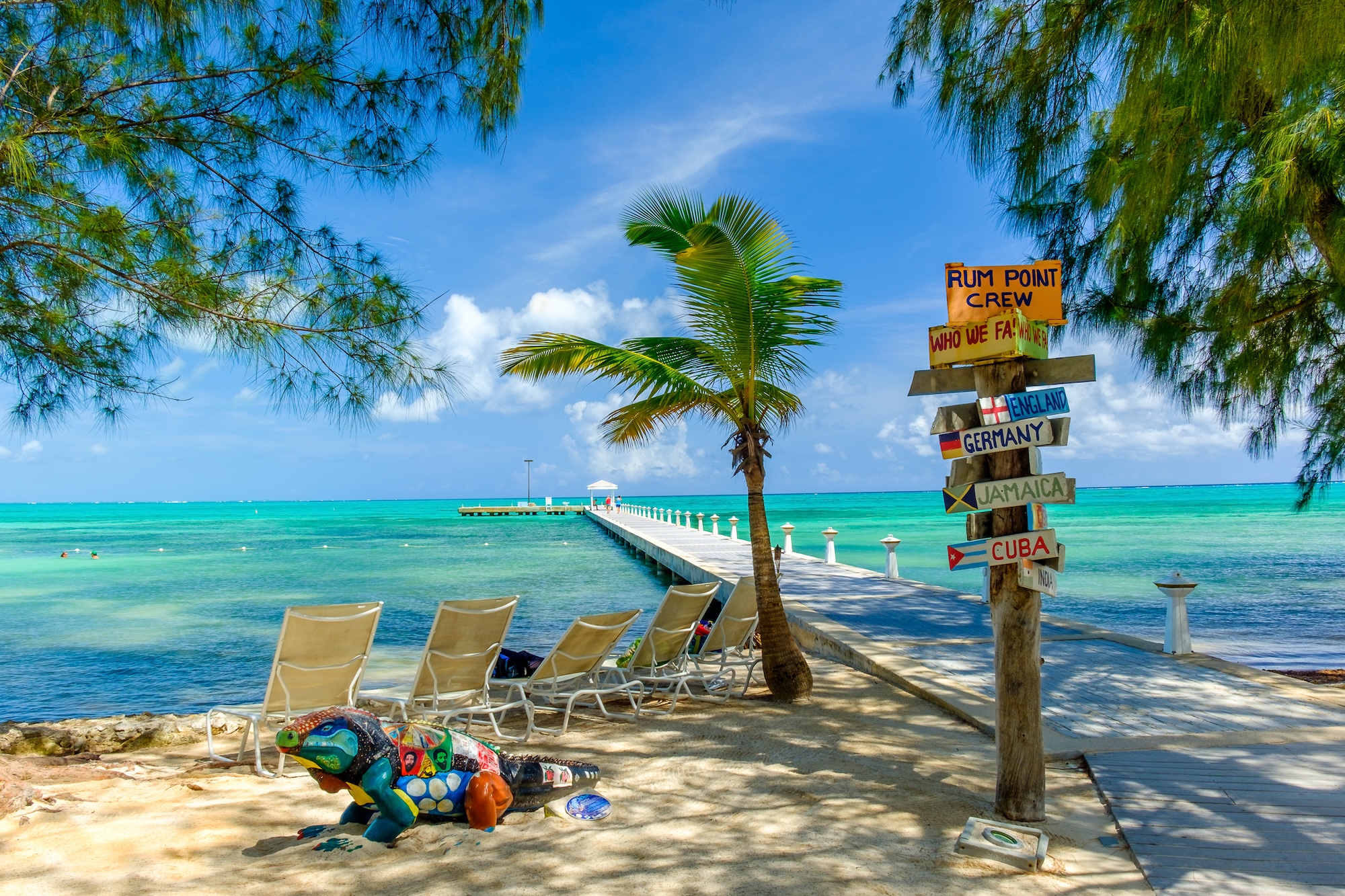
Cayman Islands Residency by Investment: Pathways, Requirements, and Costs
Multiple Paths to Residency. The Cayman Islands offers several structured pathways for foreign nationals to obtain long-term or permanent residency through qualifying investments. As a tax-neutral British Overseas Territory with a high…
-
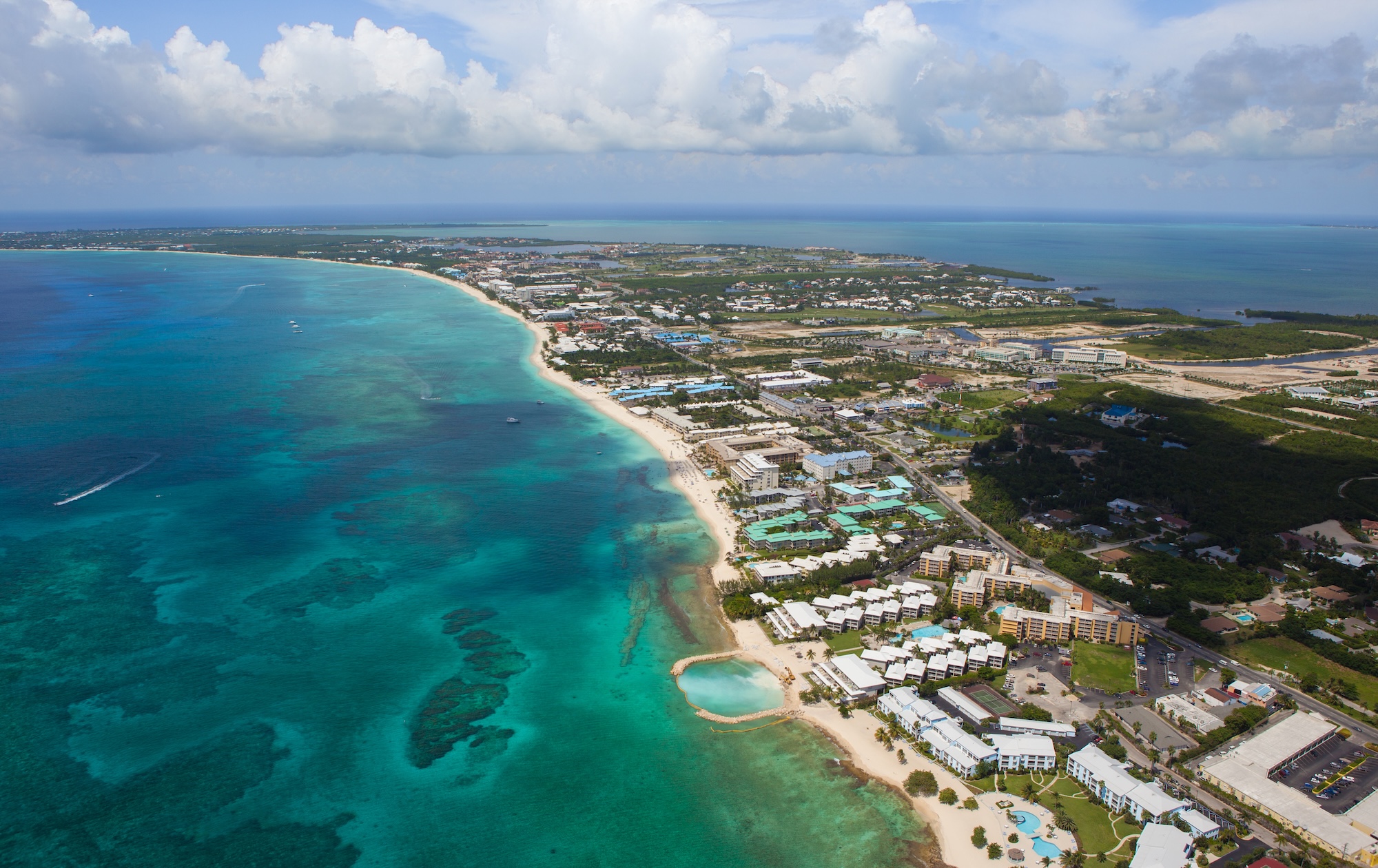
Buying Property in the Cayman Islands: A Complete Guide for Foreign Investors
What You Need to Know… The Cayman Islands is one of the few places in the Caribbean where foreign buyers face zero restrictions on property ownership. No special permits, no government approval…
